



If history had a backdrop, Angus’s castles and historic houses would steal the show. They don’t just tell stories – they invite you right inside them.
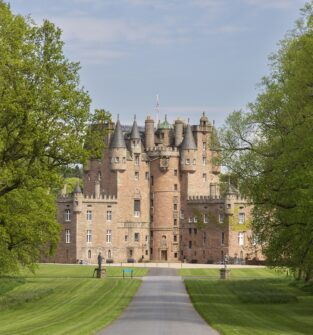
Glamis Castle is one of Scotland’s most famous and atmospheric castles. Famously associated with Shakespeare’s Macbeth and known as the childhood home of Her Majesty Queen Elizabeth The Queen Mother, it’s a place where legend and real history blend effortlessly. Taking a guided tour through the castle’s richly decorated rooms reveals centuries of family life, fascinating artefacts and stories that span generations. A wander through the surrounding gardens adds a peaceful contrast to the drama found within the walls.
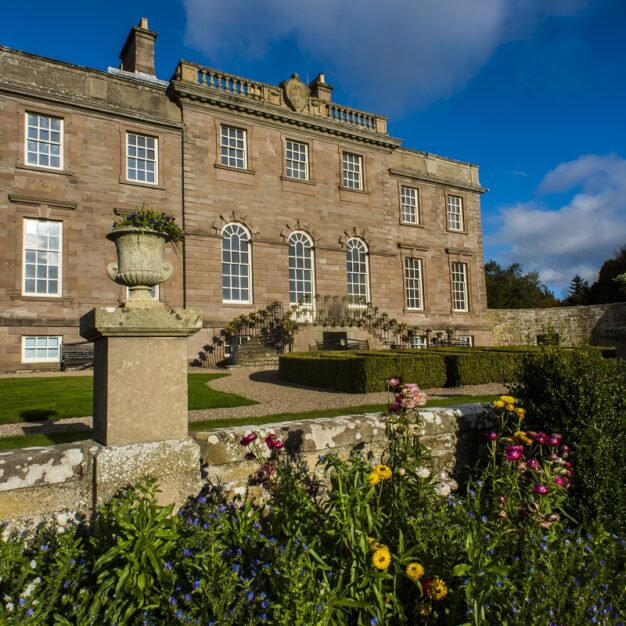
At House of Dun, history feels wonderfully hands‑on. This elegant Georgian country house is best known for the spectacular plasterwork in its saloon – look closely and you might spot hidden Jacobite symbolism. Costumed guides lead visitors through the rooms, bringing the house’s story to life, while the courtyard hosts the Angus Folk Collection, offering insight into rural life and traditions.
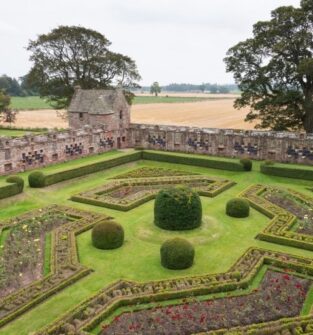
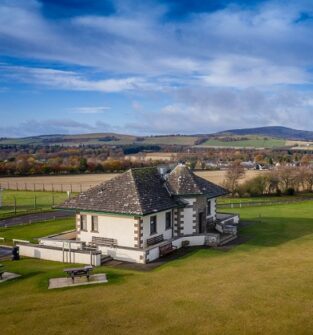
Meanwhile, Edzell Castle and Gardens offers a beautifully balanced experience. Exploring the tower house gives a glimpse into a typical 16th‑century nobleman’s residence, while the carefully designed walled garden reflects a more refined side of life. Seek out the charming summer house where the Lindsay family once relaxed on warm evenings – it’s an easy place to slow down and imagine life centuries ago.
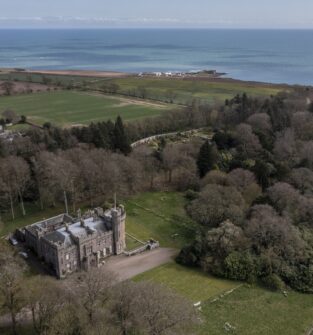
Dunninald Castle, built in 1824 by the architect James Gillespie Graham, adds a touch of Gothic Revival elegance to Angus’s castle story. Guided tours reveal the fascinating history of the house, along with collections of furniture, paintings and displays of fine needlework, photographs and memorabilia. The castle’s calm, welcoming atmosphere makes it a rewarding visit for those who enjoy history told through personal stories and beautifully curated interiors.

Angus’s museums and galleries focus on storytelling — celebrating remarkable events, everyday life and everything in between.
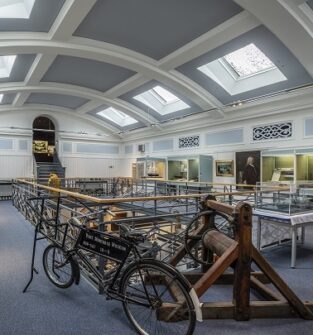
Built in 1813, the Signal Tower Museum in Arbroath began life serving the nearby Bell Rock Lighthouse and later became a museum in 1974. Today, it tells the compelling story of one of the world’s most impressive sea‑washed lighthouses. Visitors can climb the dramatic spiral staircase and, on guided tower tours, reach the tower room for a unique perspective – both on the building and the maritime history it represents.
In Forfar, the Meffan Museum & Art Gallery is packed with intrigue. Highlights include Pictish stones and displays exploring the story of the Forfar Witches, offering insight into darker and lesser‑known chapters of Angus’s past. Alongside this, art exhibitions and local history displays create a varied and engaging visitor experience.
Montrose Museum, one of Scotland’s first purpose‑built museums, explores stories of national importance through a local lens. Exhibits cover everything from the Marquis of Montrose to the Jacobite uprisings, as well as the town’s links to trade, art and innovation. It’s a welcoming space that effortlessly connects local history with wider Scottish stories.
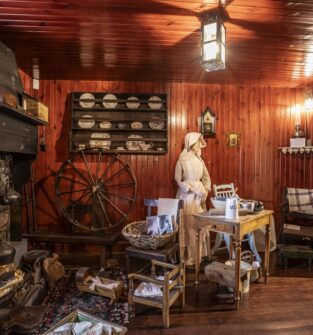
Tucked away in the Angus Glens, Glenesk Folk Museum offers something truly special. Established in 1955 by local schoolteacher and historian Greta Michie, the museum is dedicated to preserving the past, present and future of Scottish rural life. Its collections and displays capture the rhythms of everyday living in the glens, making it a rewarding and thoughtful stop for visitors who enjoy personal, people‑centred history.

Angus’s history stretches far beyond its castles and museums, with ancient sites and surprising stories woven through the landscape.
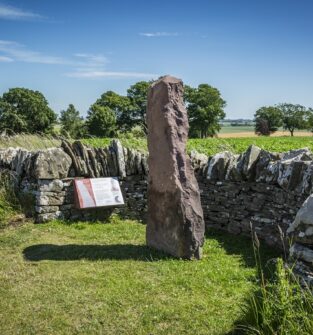
The county is famous for its Pictish stones, including the impressive carvings at Aberlemno and St Vigeans. These stones, carved over a thousand years ago, offer tantalising glimpses into early symbolism and storytelling, and remain some of the best examples of their kind.
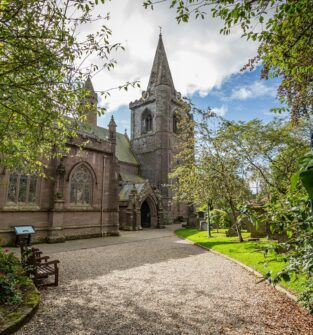
Brechin Cathedral, with origins tracing back to the 13th century, remains a striking piece of medieval architecture. Its most distinctive feature is the Round Tower – one of only two surviving examples in Scotland – standing as a reminder of early Christian influence in the area.
In Kirriemuir, the Camera Obscura adds a touch of curiosity and charm. Gifted to the town by Sir J M Barrie, creator of Peter Pan, it is one of only three remaining in Scotland. A visit offers a wonderfully simple but absorbing way to see the surrounding landscape from a completely different perspective.
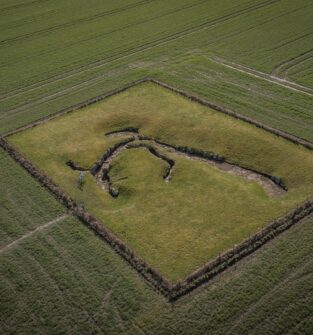
Hidden beneath the fields, the Carlungie and Ardestie Earth Houses provide one of Angus’s most intriguing ancient experiences. These underground stone structures date back nearly 2,000 years and invite visitors to explore spaces that once formed part of Iron Age settlements.
Angus is also home to some global connections. At Davidson Legacy Cottage, visitors can explore the modest smiddy cottage where Alexander “Sandy” Davidson lived with his family before emigrating to the United States. From these humble beginnings, the Davidson family story eventually led to the founding of the Harley‑Davidson Motor Company®.
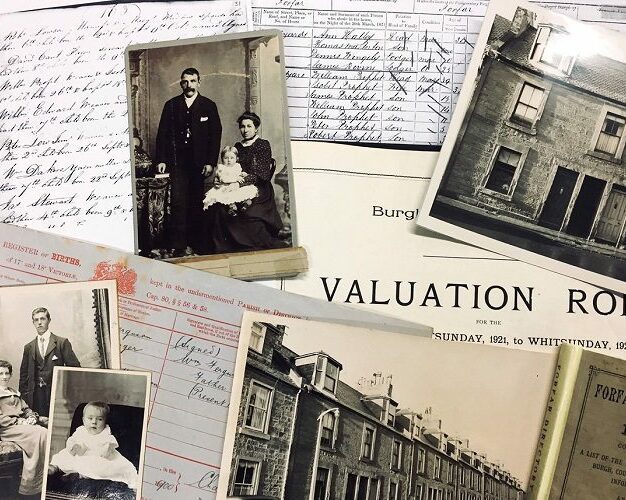
For many visitors, Angus is a place of discovery on a much more personal level. The region has deep connections and for generations of families around the world, Angus is where their story begins.
Tracing your family history here is made easier thanks to the wealth of local resources available. Angus Archives, based in Arbroath Library, holds a fascinating collection of historical records including parish registers, census returns, school records, estate papers, maps and photographs. These documents help bring names and dates to life, offering glimpses into where ancestors lived, worked and worshipped.
Knowledgeable staff at Angus Archives and in local libraries can help point you in the right direction if you’re just starting out. Even visitors with only a surname or a village name often find their experience enriched by uncovering new details and connections.
Whether you’re researching from afar or visiting the places your ancestors once called home, Angus offers a welcoming and rewarding setting to explore your family story – sometimes revealing connections you didn’t expect.
Heritage trails are an easy and enjoyable way to discover Angus’s history while taking in its scenery. Created to be followed at your own pace, these trails link together significant sites, stories and landscapes, encouraging visitors to explore a little deeper.
The Montrose Robert Burns Trail celebrates the national poet’s time in the town and the inspiration he drew from the area. Following the trail takes you through key locations associated with Burns, while also revealing Montrose’s wider historical setting, including its harbour, historic streets and cultural landmarks.
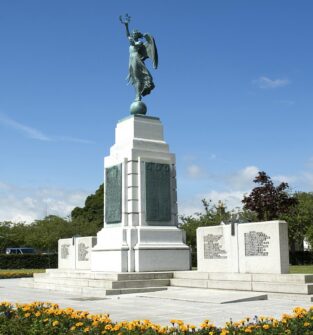
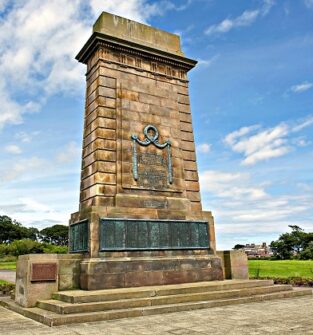
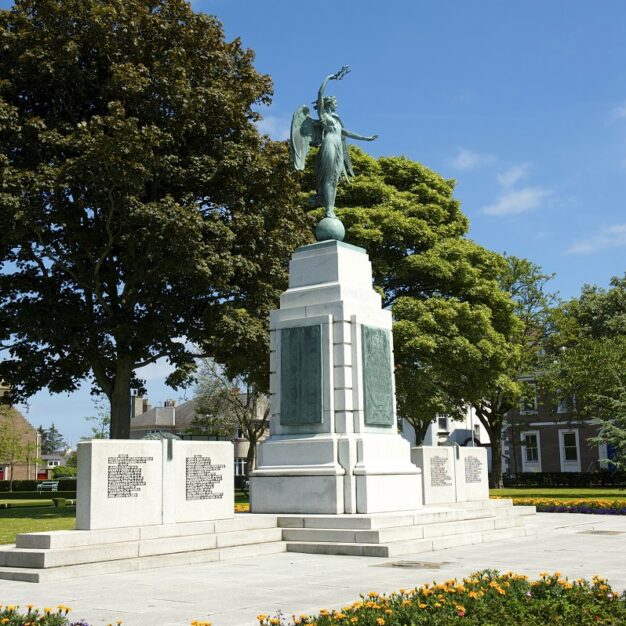
For a more reflective experience, the WW1 Angus Heritage Trail focuses on the impact of the First World War on communities across the county. From memorials and buildings to stories of individuals who served, the trail provides a moving insight into how global events shaped life in Angus – both during the war and in the years that followed.
Other heritage trails explore themes such as Pictish history, inland heritage and coastal life, often combining well‑known landmarks with quieter, lesser‑noticed sites. Whether you’re walking, cycling or driving, these routes offer a relaxed way to learn while enjoying Angus’s landscapes and stopping wherever curiosity leads you.
In Angus, history doesn’t sit behind glass – it lives in castles, museums, glens and everyday places waiting to be discovered. Whether you’re exploring famous landmarks or uncovering quieter stories, the past adds depth and colour to every visit.
Take your time, follow your curiosity and enjoy discovering the people, places and stories that make Angus such a rewarding place to explore.